
[vc_row width=”no-padded” overlay_opacity=”0.6″ overlay_grid=”10″ background_image=”8016″ background_position_vertical=”56″][vc_column align=”center” align_sm=”center” border_top=”on” border_bottom=”on” width=”1/1″][vc_column_text text_color=”text-light” margin_top=”10″ margin_bottom=”0″] [/vc_column_text][/vc_column][/vc_row][vc_row width=”no-padded” overlay_opacity=”0.5″ overlay_grid=”10″ background_image=”11873″ background_position_vertical=”56″ hidden_on_large=”on” hidden_on_medium=”on” hidden_on_small=”on” hidden_on_xsmall=”on”][vc_column align=”center” align_sm=”center” border_top=”on” border_bottom=”on” width=”1/1″][vc_row_inner][vc_column_inner align=”center” align_sm=”center” width=”1/6″][/vc_column_inner][vc_column_inner align=”center” align_sm=”center” width=”2/3″][vc_column_text text_color=”text-light” margin_top=”0″]

CLICK HERE TO SIGN UP
[/vc_column_text][/vc_column_inner][vc_column_inner align=”center” align_sm=”center” width=”1/6″][/vc_column_inner][/vc_row_inner][/vc_column][/vc_row][vc_row overlay_opacity=”0.6″ background_image=”3595″ height=”fullheight” hidden_on_small=”on” hidden_on_xsmall=”on”][vc_column scroll_animation=”fadeIn” width=”1/1″][vc_row_inner][vc_column_inner width=”1/1″][vc_column_text text_color=”text-light” margin_top=”50″ margin_bottom=”0″ scroll_animation=”fadeIn” scroll_animation_delay=”0.3″] [/vc_column_text][vc_column_text text_color=”text-light” scroll_animation=”fadeIn” scroll_animation_delay=”0.5″]
We love the great outdoors. That’s why we’re committed to the sustainability of the open spaces we manage on behalf of you and your family.
The plight of bees is well known and the recent decline in bee numbers is a worrying trend that could have a serious impact on global food supplies.
Bees rely on nectar and pollen to survive and a key factor in their decline is the loss of suitable habitat. So, in conjunction with Buglife* we’ve been busy creating a 5-year ‘bee friendly’ initiative, funded by us, to make your developments more bee friendly and enrich the open spaces you live near.
As part of this we have set ourselves some ambitious targets which we believe will make a real impact in helping bees and making the open spaces on your development a more colourful and vibrant place to live:
[/vc_column_text][bordered_divider divider_color=”#ffffff” divider_height=”1″ divider_width=”1000″][/vc_column_inner][/vc_row_inner][vc_row_inner][vc_column_inner width=”2/3″][heading text_color=”text-light”]Our Bee Friendly Targets…[/heading][/vc_column_inner][vc_column_inner width=”1/3″][/vc_column_inner][/vc_row_inner][vc_row_inner][vc_column_inner column_colour=”#3c6c51″ width=”1/3″][panel][vc_column_text text_color=”text-light”]
We’re planting 1 sqm of pollen and nectar rich wildflower for each home on a Meadfleet development.
This will create tens of thousands of additional square metres of wildflower. A special seed mix will be used to create a long-lasting colourful display that will support bees and other wildlife.[/vc_column_text][/panel][panel][vc_column_text text_color=”text-light”]
We’re planting 50,000 bee friendly, flowering bulbs
Flowering bulbs provide nectar as well as a splash of colour. We’ve selected a mix that should flower from January through to June, providing maximum benefit to bees and a 6-month vibrant display.[/vc_column_text][divider xs_height=”0″ sm_height=”0″ md_height=”18″ lg_height=”18″][/panel][/vc_column_inner][vc_column_inner column_colour=”#3c6c51″ width=”1/3″][panel][vc_column_text text_color=”text-light”]
We’re planting 1 km of bee friendly hedgerow
Hedgerows help create a link between habitats, meaning bees don’t have to travel too far to find food and shelter and they also provide a nectar source.[/vc_column_text][/panel][panel][vc_column_text text_color=”text-light”]
We’re donating 2000 bee homes for residents of all ages to enjoy.
Solitary bees rarely sting so why not encourage them in your garden with one of our bee hotels, a safe space to lay eggs and hibernate.[/vc_column_text][vc_column_text]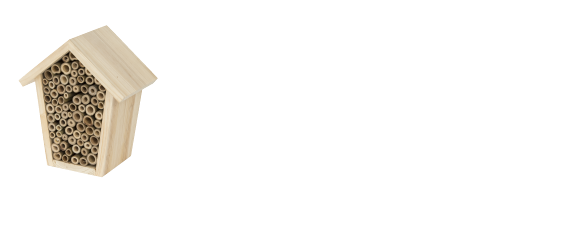 [/vc_column_text][/panel][/vc_column_inner][vc_column_inner width=”1/3″][panel background_colour=”#ffffff” margin_top=”0″][vc_column_text margin_top=”0″]
Stay up to date here with our latest bee news and giveaways:
[/vc_column_text][recent_posts style=”list” columns=”1″ cat=”bee-campaign”][/panel][panel background_colour=”#ffffff” scroll_animation=”fadeIn”][vc_column_text margin_top=”0″]

Top tips to help Bee’s:
- Create a “bee-friendly” garden with nectar-producing plants such as lavender and honeysuckle. Try to select a variety of plants which flower throughout the year
- Use less pesticides
- Leave an area of your garden wild – this may include an area of longer grass, bramble, a log pile or a pond
- Bees don’t fly far too far for their food, so spread the word to your neighbours and ask them to plant some bee-friendly plants
Find more ideas to make your garden bee friendly here
[/vc_column_text][/panel][/vc_column_inner][/vc_row_inner][vc_row_inner][vc_column_inner scroll_animation=”fadeIn” width=”1/1″][heading text_color=”text-light” header_align=”center”]Give Bees a Home![/heading][vc_column_text text_color=”text-light” scroll_animation=”fadeIn” scroll_animation_delay=”0.3″]
Whilst honey bees and bumble bees live in large colonies, most of our native UK bee species (over 250 species) are actually solitary bees. These require individual nests in which to lay their eggs. Meadfleet are providing Bee Hotels to place in your gardens so that we can provide vital habitat for our solitary bees.
But don’t bees sting?
Solitary bees are non-aggressive, and the males cannot sting. The females are busy collecting nectar and constructing a nest and so will happily go about their business and avoid contact with people.
[/vc_column_text][vc_column_text text_color=”text-light” scroll_animation=”fadeIn” scroll_animation_delay=”0.3″]
Remember, we’re donating all the costs of this campaign to give something back to our communities and we’d love for you and your family to get involved. If you would like to offer your support to this campaign or if you have some ideas to make your development more bee friendly, please get in touch with us at bees@meadfleet.co.uk
Why not also visit our blog to keep up to date with our latest wildlife news and ideas.
[/vc_column_text][panel background_colour=”#ffffff”][vc_column_text]
Meadfleet are corporate sponsors of Buglife, a leading charity dedicated to Britain’s rarest and most endangered small creatures. For more information about Buglife and the fantastic work they do please visit buglife.org.uk.
[/vc_column_text][/panel][divider][/vc_column_inner][/vc_row_inner][vc_row_inner][vc_column_inner width=”1/1″][divider xs_height=”20″ sm_height=”20″ md_height=”20″ lg_height=”20″][heading text_color=”text-light” header_align=”center”]Did you know?[/heading][/vc_column_inner][/vc_row_inner][vc_row_inner][vc_column_inner width=”1/3″][divider xs_height=”20″ sm_height=”20″ md_height=”20″ lg_height=”20″][vc_hoverbox image=”3509″ primary_title=”” hover_title=”” el_class=”Toppers”]One out of every three mouthfuls of food we eat exists because of pollinators such as bees.[/vc_hoverbox][/vc_column_inner][vc_column_inner width=”1/3″][divider xs_height=”20″ sm_height=”20″ md_height=”20″ lg_height=”20″][vc_hoverbox image=”3514″ primary_title=”” hover_title=”” el_class=”Toppers”]Bees are vital for a healthy economy – without them it would cost UK farmers £1.8 billion a year to pollinate our crops.[/vc_hoverbox][/vc_column_inner][vc_column_inner width=”1/3″][divider xs_height=”20″ sm_height=”20″ md_height=”20″ lg_height=”20″][vc_hoverbox image=”3515″ primary_title=”” hover_title=”” el_class=”Toppers”]It’s thought that bees have lost most of their natural habitat in the last 60 years. This includes 97% of wildflower meadows.[/vc_hoverbox][/vc_column_inner][/vc_row_inner][vc_row_inner][vc_column_inner width=”1/1″][divider xs_height=”20″ sm_height=”20″ md_height=”50″ lg_height=”50″][/vc_column_inner][/vc_row_inner][/vc_column][/vc_row][vc_row overlay_opacity=”0.6″ background_image=”3595″ height=”fullheight” hidden_on_large=”on” hidden_on_medium=”on”][vc_column scroll_animation=”fadeIn” width=”1/1″][vc_column_text text_color=”text-light” margin_top=”50″ margin_bottom=”0″ scroll_animation=”fadeIn” scroll_animation_delay=”0.3″] [/vc_column_text][vc_column_text text_color=”text-light” scroll_animation=”fadeIn” scroll_animation_delay=”0.5″]
We love the great outdoors. That’s why we’re committed to the sustainability of the open spaces we manage on behalf of you and your family.
The plight of bees is well known and the recent decline in bee numbers is a worrying trend that could have a serious impact on global food supplies.
Bees rely on nectar and pollen to survive and a key factor in their decline is the loss of suitable habitat. So, in conjunction with Buglife* we’ve been busy creating a 5-year ‘bee friendly’ initiative, funded by us, to make your developments more bee friendly and enrich the open spaces you live near.
As part of this we have set ourselves some ambitious targets which we believe will make a real impact in helping bees and making the open spaces on your development a more colourful and vibrant place to live:
[/vc_column_text][bordered_divider divider_color=”#ffffff” divider_height=”1″ divider_width=”1000″][vc_row_inner][vc_column_inner width=”2/3″][heading text_color=”text-light”]Our Bee Friendly Targets…[/heading][/vc_column_inner][vc_column_inner width=”1/3″][/vc_column_inner][/vc_row_inner][vc_row_inner][vc_column_inner column_colour=”#3c6c51″ width=”1/3″][panel][vc_column_text text_color=”text-light”]
We’re planting 1 sqm of pollen and nectar rich wildflower for each home on a Meadfleet development.
This will create tens of thousands of additional square metres of wildflower. A special seed mix will be used to create a long-lasting colourful display that will support bees and other wildlife.[/vc_column_text][/panel][panel][vc_column_text text_color=”text-light”]
We’re planting 50,000 bee friendly, flowering bulbs
Flowering bulbs provide nectar as well as a splash of colour. We’ve selected a mix that should flower from January through to June, providing maximum benefit to bees and a 6-month vibrant display.[/vc_column_text][divider xs_height=”0″ sm_height=”0″ md_height=”18″ lg_height=”18″][/panel][/vc_column_inner][vc_column_inner column_colour=”#3c6c51″ width=”1/3″][panel][vc_column_text text_color=”text-light”]
We’re planting 1 km of bee friendly hedgerow
Hedgerows help create a link between habitats, meaning bees don’t have to travel too far to find food and shelter and they also provide a nectar source.[/vc_column_text][/panel][panel][vc_column_text text_color=”text-light”]
We’re donating 2000 bee homes for residents of all ages to enjoy.
Solitary bees rarely sting so why not encourage them in your garden with one of our bee hotels, a safe space to lay eggs and hibernate.[/vc_column_text][vc_column_text][/vc_column_text][/panel][/vc_column_inner][vc_column_inner width=”1/3″][panel background_colour=”#ffffff” margin_top=”0″][vc_column_text margin_top=”0″]
Stay up to date here with our latest bee news and giveaways:
[/vc_column_text][recent_posts style=”list” columns=”1″ cat=”bee-campaign”][/panel][panel background_colour=”#ffffff” scroll_animation=”fadeIn”][vc_column_text margin_top=”0″]
Top tips to help Bee’s:
- Create a “bee-friendly” garden with nectar-producing plants such as lavender and honeysuckle. Try to select a variety of plants which flower throughout the year
- Use less pesticides
- Leave an area of your garden wild – this may include an area of longer grass, bramble, a log pile or a pond
- Bees don’t fly far too far for their food, so spread the word to your neighbours and ask them to plant some bee-friendly plants
Find more ideas to make your garden bee friendly here
[/vc_column_text][/panel][/vc_column_inner][/vc_row_inner][vc_row_inner][vc_column_inner scroll_animation=”fadeIn” width=”1/1″][heading text_color=”text-light” header_align=”center”]Give Bees a Home![/heading][vc_column_text text_color=”text-light” scroll_animation=”fadeIn” scroll_animation_delay=”0.3″]
Whilst honey bees and bumble bees live in large colonies, most of our native UK bee species (over 250 species) are actually solitary bees. These require individual nests in which to lay their eggs. Meadfleet are providing Bee Hotels to place in your gardens so that we can provide vital habitat for our solitary bees.
But don’t bees sting?
Solitary bees are non-aggressive, and the males cannot sting. The females are busy collecting nectar and constructing a nest and so will happily go about their business and avoid contact with people.
[/vc_column_text][vc_column_text text_color=”text-light” scroll_animation=”fadeIn” scroll_animation_delay=”0.3″]
Remember, we’re donating all the costs of this campaign to give something back to our communities and we’d love for you and your family to get involved. If you would like to offer your support to this campaign or if you have some ideas to make your development more bee friendly, please get in touch with us at bees@meadfleet.co.uk
Why not also visit our blog to keep up to date with our latest wildlife news and ideas.
[/vc_column_text][panel background_colour=”#ffffff”][vc_column_text]
Meadfleet are corporate sponsors of Buglife, a leading charity dedicated to Britain’s rarest and most endangered small creatures. For more information about Buglife and the fantastic work they do please visit buglife.org.uk.
[/vc_column_text][/panel][divider][/vc_column_inner][/vc_row_inner][vc_row_inner][vc_column_inner width=”1/1″][divider xs_height=”20″ sm_height=”20″ md_height=”20″ lg_height=”20″][heading text_color=”text-light” header_align=”center”]Did you know?[/heading][/vc_column_inner][/vc_row_inner][vc_row_inner][vc_column_inner width=”1/3″][divider xs_height=”20″ sm_height=”20″ md_height=”20″ lg_height=”20″][vc_hoverbox image=”3509″ primary_title=”” hover_title=”” el_class=”Toppers”]One out of every three mouthfuls of food we eat exists because of pollinators such as bees.[/vc_hoverbox][/vc_column_inner][vc_column_inner width=”1/3″][divider xs_height=”20″ sm_height=”20″ md_height=”20″ lg_height=”20″][vc_hoverbox image=”3514″ primary_title=”” hover_title=”” el_class=”Toppers”]Bees are vital for a healthy economy – without them it would cost UK farmers £1.8 billion a year to pollinate our crops.[/vc_hoverbox][/vc_column_inner][vc_column_inner width=”1/3″][divider xs_height=”20″ sm_height=”20″ md_height=”20″ lg_height=”20″][vc_hoverbox image=”3515″ primary_title=”” hover_title=”” el_class=”Toppers”]It’s thought that bees have lost most of their natural habitat in the last 60 years. This includes 97% of wildflower meadows.[/vc_hoverbox][/vc_column_inner][/vc_row_inner][vc_row_inner][vc_column_inner width=”1/1″][divider xs_height=”20″ sm_height=”20″ md_height=”50″ lg_height=”50″][/vc_column_inner][/vc_row_inner][/vc_column][/vc_row]