

When we think of pollination, bees often take centre stage. While bees are undeniably important, they are just one part of a much larger and diverse group of pollinators that sustain our natural environment. Under the cover of darkness, an often-overlooked pollinator works to dispense pollen across vast distances. As much of the world sleeps, moths quietly play a crucial role in our ecosystem.
A study conducted by the University of Sussex in July 2021 explored ten sites in southeast England, revealing fascinating insights into moths’ role as pollinators. The research found that while 83% of insect visits to bramble flowers occurred during the day, mainly by bees and other day-flying insects, moths accounted for 15% of visits during the shorter summer nights. Despite their fewer numbers, moths were found to pollinate flowers more efficiently.
This study suggests that moths can sometimes be more effective pollinators than their daytime counterparts. Although bees and other diurnal insects have more time to transfer pollen, moths accomplish significant pollination in the limited hours of darkness. Plants that can be pollinated by both nocturnal and diurnal pollinators are at an advantage.
At Meadfleet, we recognize and support a diverse range of pollinators. Since launching our Bee Friendly campaign in 2019, we’ve been committed to enhancing biodiversity in the open spaces we manage. Our efforts focus on creating habitats that benefit all pollinators, supporting overall ecosystem health. Protecting and developing green spaces that accommodate a variety of wildlife is essential. By creating habitats for both diurnal and nocturnal pollinators, we contribute to the resilience of these populations and promote the health and sustainability of our open spaces.

However, with a 33% decrease in overall populations since 1968, moths are in decline. Several factors contribute to this decline, including climate change, light pollution, intensive agriculture, urban development, commercial forestry, pesticide and herbicide use, and even how we manage our gardens.
Nonetheless, here are just a few ways we can help our nocturnal pollinators at home:
- Minimize ecological light pollution by closing your curtains at night and reducing the use of outdoor lighting, such as ornamental features. Use shields and direct lighting to avoid pointing lights into the sky. Opt for lights that are less harmful to biodiversity, like warm or red-toned LEDs. Reducing artificial light helps ensure nocturnal pollinators can continue their vital work without disruption.
- Try moth-friendly planting. A list of the top 10 plants for moths can be found on the RHS website here.
- Leave an area of plant debris in your garden. Moths use this dead matter to shelter from predators and provide a place for pupae and caterpillars to overwinter.
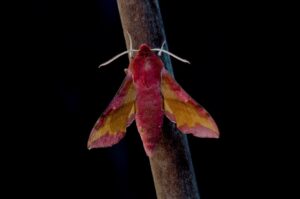
- Try creating a dark wildlife corridor in your garden. This can be along a fence line or even around a pond. This is essentially an area where no artificial light penetrates the corridor, to allow moths a safe passage without disturbance.
So, the next time you see a moth fluttering in the twilight, remember the crucial role they play in sustaining our ecosystems. In recognising the role of moths and all pollinators, we can take the steps needed to support the biodiversity that is so important to protect.
For more information, please visit Butterfly Conservation – Moths Matter
About Meadfleet
Meadfleet are a leading sustainable land-adopting management company. We have in-house ecologists with expertise in the BNG metric and are already applying the principles of Biodiversity Net Gain across our existing open space portfolio in England and Wales. Established in 1995, Meadfleet manage over 330 developments and 42,000 residential properties in our portfolio, with a strong balance sheet.
Meadfleet offers management of Biodiversity Net Gain delivery both on a managed development and on offsite areas, either via customer contributions or commuted sums. Our adoption model relieves developers of ongoing liabilities and management costs.
The Meadfleet model removes onerous liabilities from homeowners yet still encourages their input and engagement into the management of their local environment. We are committed to providing an excellent service to residents as demonstrated by our Excellent rating on Trustpilot and are members of The Property Ombudsman Scheme (TPOS), offering customers free, independent redress should they feel it is required. We are happy to work with residents groups and positively encourage the creation of these on the developments we are involved with. We believe this opens an effective two-way dialogue between homeowners and ourselves.
As a land-adopting management company, Meadfleet take long-term responsibility of open space, building customer and community relations and implementing perpetual management and improvement plans. We take a holistic and independent approach to managing areas of open space for the benefit of all residents, biodiversity and the wider environment.