
Each year, on the 2nd of February, World Wetlands Day is celebrated to highlight the essential role that wetlands play in supporting biodiversity, managing water, and safeguarding our environment. At Meadfleet, we manage over 250 sustainable urban drainage systems (SuDS) across England and Wales. SuDS draw inspiration from natural wetlands, replicating their processes to address the challenges of urban runoff, while creating thriving open spaces for both people and wildlife to enjoy.
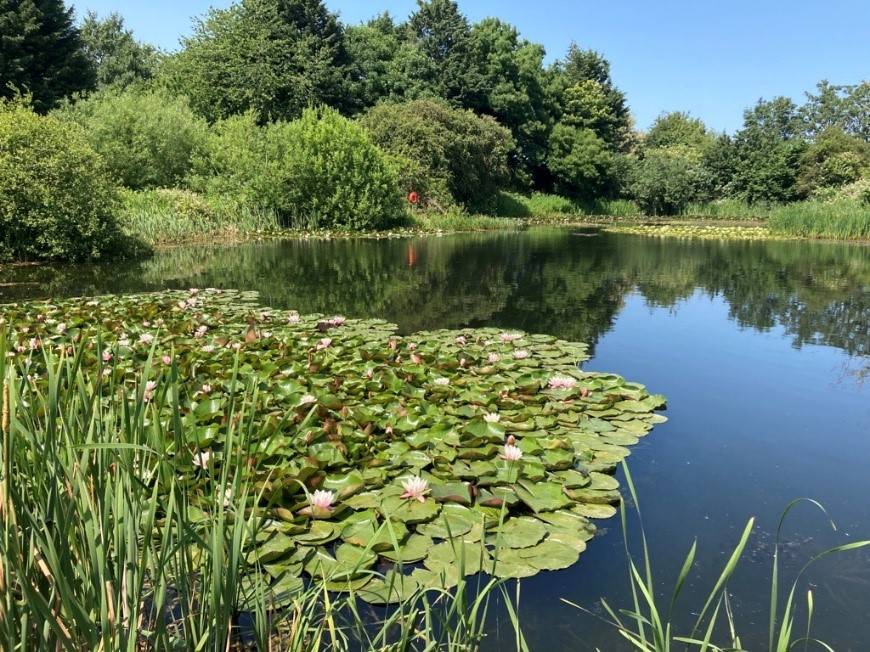
Inspired By Natural Wetlands
Natural wetlands manage stormwater by slowing its flow, filtering pollutants, and storing excess water—principles that SuDS aim to replicate. SuDS are carefully designed drainage strategies that manage flood and pollution risks from urban runoff. These systems incorporate features such as infiltration zones, attenuation basins, and passive drainage, ensuring urban landscapes can manage water sustainably while enhancing the surrounding environment.
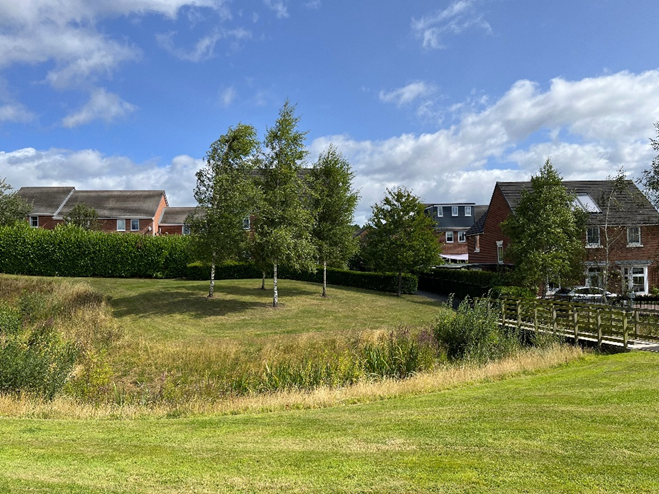
SuDS On New Housing Developments
At Meadfleet, we understand that SuDS are important features in supporting new housing developments, and we collaborate closely with developers to create SuDS management plans that support functionality and long-term sustainability. They provide a variety of benefits to urban areas, including:
- Flood Management: By increasing water storage capacity and slowing runoff, SuDS protect developments from the risk of flooding.
- Improved Water Quality: SuDS filter pollutants from urban runoff, improving water quality and reducing the environmental impact on our rivers, streams and other water bodies.
- Wildlife Habitat: SuDs create habitat for wildlife and support local biodiversity. Expanding these habitats in urban areas will create “blue-green” corridors, connecting existing habitats and allowing wildlife to move more freely between sites.
- Creating Green Spaces: SuDS add value to local amenities by providing visually appealing and functional areas of open space. They provide green spaces for communities to access nature on their doorstep.
SuDS and Climate Change
Both SuDS and natural wetlands help to build climate resilience. With climate change increasing the frequency of extreme weather events, SuDS help to mitigate the impacts of heavy rainfall by improving water infiltration and reducing runoff. This proactive approach is essential for the sustainability of urban landscapes and the communities they serve for years to come.
About Meadfleet
Meadfleet are a leading sustainable land-adopting management company. We have in-house ecologists with expertise in the BNG metric and are already applying the principles of Biodiversity Net Gain across our existing open space portfolio in England and Wales. Established in 1995, Meadfleet manage over 330 developments and 42,000 residential properties in our portfolio, with a strong balance sheet.
Meadfleet offers management of Biodiversity Net Gain delivery both on a managed development and on offsite areas, either via customer contributions or commuted sums. Our adoption model relieves developers of ongoing liabilities and management costs.
The Meadfleet model removes onerous liabilities from homeowners yet still encourages their input and engagement into the management of their local environment. We are committed to providing an excellent service to residents as demonstrated by our Excellent rating on Trustpilot and are members of The Property Ombudsman Scheme (TPOS), offering customers free, independent redress should they feel it is required. We are happy to work with residents groups and positively encourage the creation of these on the developments we are involved with. We believe this opens an effective two-way dialogue between homeowners and ourselves.
As a land-adopting management company, Meadfleet take long-term responsibility of open space, building customer and community relations and implementing perpetual management and improvement plans. We take a holistic and independent approach to managing areas of open space for the benefit of all residents, biodiversity and the wider environment.