

At Meadfleet, we’re not just committed to managing open spaces — we’re helping shape national policy on how green spaces are protected and enhanced in the future.
On 4th June, our Managing Director, David King, was invited to the Palace of Westminster to take part in the Environmental Audit Committee’s latest inquiry. The committee is exploring how proposed changes to national planning policy and ambitious housebuilding targets might affect environmental protections and the delivery of sustainable development.
This is a critical conversation — one that matters not only to developers but also to the homeowners and communities who live alongside and enjoy our green spaces.
30 Years’ Open Space Experience
Representing Meadfleet’s 30 years of experience managing open spaces on more than 350 housing developments across England and Wales, David offered insight into how sustainability and housing growth can — and must — go hand in hand.
A key area of focus was the implementation of Biodiversity Net Gain (BNG) regulations, which became law in 2024. These regulations require developers to deliver at least a 10% net gain in biodiversity on new developments.
What Was Discussed?
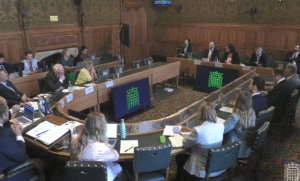
Topics at the session included:
- The costs and funding models for BNG
- Resourcing pressures for local councils
- Long-term compliance and enforcement
- Who manages sites after the initial 30-year BNG period
- Whether offsite BNG measures are suitable for onsite biodiversity loss
Supporting Developers, Supporting Communities
David shared how land-adopting green space stewardship, led by experts like Meadfleet, plays a vital role in ensuring BNG is more than a planning requirement — it’s a legacy for communities and housebuilders.
“It was a privilege to share our perspective on how long-term, sustainable management of green spaces can support both development and nature recovery,” David said. “We’re proud to help developers navigate BNG and deliver outcomes that benefit people and the environment.”
Looking Ahead
If you’re a developer seeking support with BNG delivery, Meadfleet is here to help. With in-house ecologists, national coverage, and a proven track record in sustainable land management, we’re passionate about creating spaces where nature and neighbourhoods thrive together — now and for generations to come.
Watch the full committee session here
Read more about the work of the Audit Committee
Find out more about our approach to Biodiversity Net Gain here.
About Meadfleet
Meadfleet are a leading sustainable land-adopting management company. We have in-house ecologists with expertise in the BNG metric and are already applying the principles of Biodiversity Net Gain across our existing open space portfolio in England and Wales. Established in 1995, Meadfleet manage over 330 developments and 42,000 residential properties in our portfolio, with a strong balance sheet.
Meadfleet offers management of Biodiversity Net Gain delivery both on a managed development and on offsite areas, either via customer contributions or commuted sums. Our adoption model relieves developers of ongoing liabilities and management costs.
The Meadfleet model removes onerous liabilities from homeowners yet still encourages their input and engagement into the management of their local environment. We are committed to providing an excellent service to residents as demonstrated by our Excellent rating on Trustpilot and are members of The Property Ombudsman Scheme (TPOS), offering customers free, independent redress should they feel it is required. We are happy to work with residents groups and positively encourage the creation of these on the developments we are involved with. We believe this opens an effective two-way dialogue between homeowners and ourselves.
As a land-adopting management company, Meadfleet take long-term responsibility of open space, building customer and community relations and implementing perpetual management and improvement plans. We take a holistic and independent approach to managing areas of open space for the benefit of all residents, biodiversity and the wider environment.