

As we dive into Pollinator Week 2024, it is the ideal moment to reflect on and celebrate the incredible contributions our pollinators have on our ecosystems and global food security. Running from the 17th to 23rd June, Pollinator Week is dedicated to raising awareness about the vital role of pollinators and the challenges they face. This year’s theme, “Vision 2040: Thriving ecosystems, economies, and agriculture,” urges us to envision a future where pollinators not only survive but thrive.
Recognising The Unsung Heroes
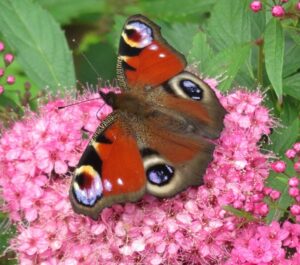
Pollinators include a diverse array of animals that help in the reproduction of plants by transferring pollen from one flower to another. While bees are the most well-known pollinators, they are joined by butterflies, moths, birds, bats, beetles, flies and some small mammals. All pollinators play a unique role in maintaining the health of our ecosystems. Honeybees are estimated to pollinate 5-15% of insect-pollinated crops in the UK, with the remaining 85-95% of insect-pollinated crops relying on alternative insect pollinating species. To appreciate and protect our pollinators, we must recognise and support the diverse range of species that contribute to this vital process.
Pollinators are essential for the reproduction of about 75% of flowering plants and nearly 35% of global food crops. One out of every three bites of food you eat is possible because of pollinators! In the UK, losing our insect pollinators would result in an economic loss of around £690 million annually through crop loss. Beyond food production, pollinators contribute to healthy ecosystems that clean the air, stabilize soils, and support other wildlife.
However, pollinators are in decline due to various influential factors. The first of these factors is habitat loss. Urbanisation and agricultural expansion are two contributing factors to pollinator habitat loss here in the UK. Urbanisation has led to a dramatic decline, estimated at 97%, in wildflower meadows since the 1930s. These meadows are crucial as they provide essential food and habitat for wildlife. Additionally, agricultural expansion introduces higher usage of herbicides and pesticides, posing risks to most wildlife.
Meadfleet’s Commitment to Pollinators

Meadfleet is dedicated to supporting pollinators and wider biodiversity through our 5-year Bee Friendly campaign. Here are some of the incredible goals that we shall meet or exceed this year:
- Bee hotels giveaway: We are distributing 2,000 bee hotels to residents, school and communities, providing safe havens for solitary bees to nest and thrive.
- Wildflower planting: we are planting 23,000 square metres of wildflower, providing food sources and habitat diversity for an array of wildlife.
- Hedgerow planting: To offer connectivity and additional habitat, we’ve planted 1 kilometre of hedgerow across our open spaces.
- Bulb planting: With 50,000 bulbs planted, we’ve ensured a continuous bloom of flowers that provide vital food sources for pollinators throughout the year.
How To Help At Home
Small, everyday actions can make a big difference in conserving pollinators.
- Pollinator-friendly gardening: Choose a variety of plants that bloom at different times of the year to provide a continuous food source. Native plants are particularly beneficial as they are well-suited to local pollinators.
- Reduce pesticide use: Limit the use of chemicals in your garden.
- Provide habitats: Leavesome areas of your garden uncut to provide natural habitat and/or install bee hotels to offer shelter for solitary bees.
To find out more about Pollinator Week visit https://www.pollinator.org/pollinator-week
About Meadfleet
Meadfleet are a leading sustainable land-adopting management company. We have in-house ecologists with expertise in the BNG metric and are already applying the principles of Biodiversity Net Gain across our existing open space portfolio in England and Wales. Established in 1995, Meadfleet manage over 330 developments and 42,000 residential properties in our portfolio, with a strong balance sheet.
Meadfleet offers management of Biodiversity Net Gain delivery both on a managed development and on offsite areas, either via customer contributions or commuted sums. Our adoption model relieves developers of ongoing liabilities and management costs.
The Meadfleet model removes onerous liabilities from homeowners yet still encourages their input and engagement into the management of their local environment. We are committed to providing an excellent service to residents as demonstrated by our Excellent rating on Trustpilot and are members of The Property Ombudsman Scheme (TPOS), offering customers free, independent redress should they feel it is required. We are happy to work with residents groups and positively encourage the creation of these on the developments we are involved with. We believe this opens an effective two-way dialogue between homeowners and ourselves.
As a land-adopting management company, Meadfleet take long-term responsibility of open space, building customer and community relations and implementing perpetual management and improvement plans. We take a holistic and independent approach to managing areas of open space for the benefit of all residents, biodiversity and the wider environment.