
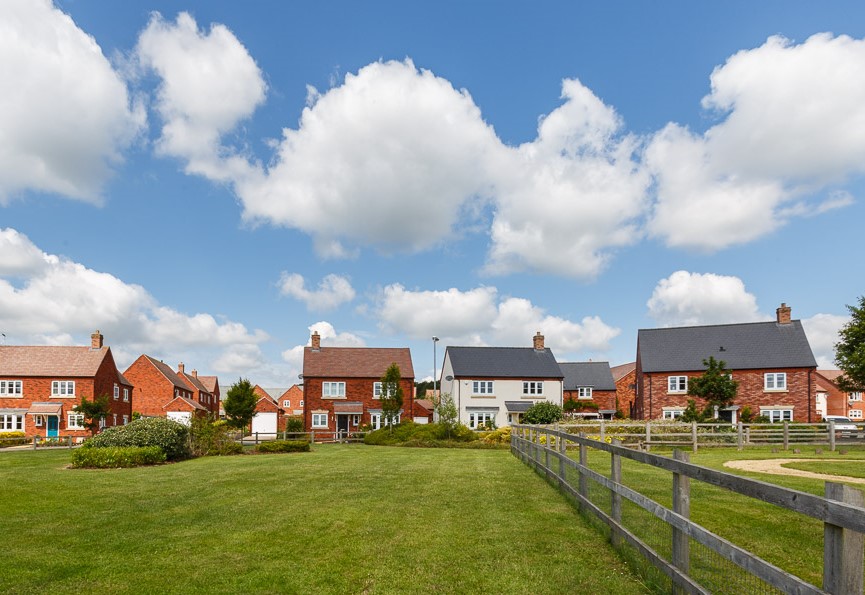
The new Labour government have committed to move swiftly to grant homeowners enhanced rights and protections over their properties by enacting the provisions of the Leasehold and Freehold Reform Act 2024 which the Conservatives fast tracked in to law prior to the general election.
David King, Managing Director of Meadfleet, comments: “We welcome this forthcoming legislation which provides freeholders with enhanced rights in respect of estate management, something previously only reserved for leaseholders. All homeowners deserve greater protections and transparency over estate management. Meadfleet have led the way by voluntarily offering free independent redress to our customers since 2019 and provide a transparent charging structure with prompt and consistent communications. We are delighted that the reforms will ensure all open space management companies are regulated to ensure homeowners receive a better service across this expanding industry.”
Under the new reforms, freeholders gain enhanced rights to regulate estate management, particularly in estates with both leasehold and freehold properties. This is likely to include:
- Granting freeholders the right to:
- challenge unreasonable estate charges and the quality of work through an application to a First-tier Tribunal (Property Chamber) or the Leasehold Valuation Tribunal in Wales.
- apply to the tribunal for the appointment of a substitute manager when their estate management company is underperforming.
- Increased transparency of estate charges, ensuring freehold homeowners regularly receive key information.
- Improved transparency of administration charges and allow freeholders to challenge unreasonable charges by applying to the tribunal.
- The requirement for freeholders or developers who directly manage an estate (without using an estate management company) to join a redress scheme.
David added, “Meadfleet are celebrating our 30th anniversary in 2025 and are proud to be specialists in open space management with over 340 developments in our management across England and Wales. Our team work hard to provide a high-quality open space management service with excellent customer care and transparent charging. We are delighted that these improved rights are being introduced to help ensure homeowners have a receive appropriate protections and communications when dealing with their open space management, no matter who the provider.”
To find out more about our approach to open space management click here.
To find out more about the reforms, visit the government website.
About Meadfleet
Meadfleet are a leading sustainable land-adopting management company. We have in-house ecologists with expertise in the BNG metric and are already applying the principles of Biodiversity Net Gain across our existing open space portfolio in England and Wales. Established in 1995, Meadfleet manage over 330 developments and 42,000 residential properties in our portfolio, with a strong balance sheet.
Meadfleet offers management of Biodiversity Net Gain delivery both on a managed development and on offsite areas, either via customer contributions or commuted sums. Our adoption model relieves developers of ongoing liabilities and management costs.
The Meadfleet model removes onerous liabilities from homeowners yet still encourages their input and engagement into the management of their local environment. We are committed to providing an excellent service to residents as demonstrated by our Excellent rating on Trustpilot and are members of The Property Ombudsman Scheme (TPOS), offering customers free, independent redress should they feel it is required. We are happy to work with residents groups and positively encourage the creation of these on the developments we are involved with. We believe this opens an effective two-way dialogue between homeowners and ourselves.
As a land-adopting management company, Meadfleet take long-term responsibility of open space, building customer and community relations and implementing perpetual management and improvement plans. We take a holistic and independent approach to managing areas of open space for the benefit of all residents, biodiversity and the wider environment.